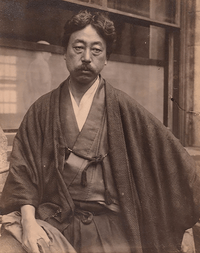
岡倉天心の『茶の本』は、アメリカ・ボストン美術館で中国・日本美術部長を務めていた天心が、1906年(明治39年)に英語で出版した書籍で、茶道の紹介だけではなく、日本の文化や美意識が説かれている。
その背景には次のような時代があった。
1868年の明治維新以降、日本は欧米に匹敵する列強になることを目指し国の近代化に努め、大陸政策を進展させ、1894(明治27)年には日清戦争、1904(明治37)年には日ロ戦争へと突き進んだ。そうした戦争の勝利の中で、日本が西欧に劣った国家ではなく、独自の文化を持った国であるという自覚と誇りが芽生え、各種の日本論が提出された。
『茶の本』もそうした日本論の一つだが、とりわけ21世紀の今、次の一節に目を止めたい。
一般の西洋人は、茶の湯を見て、東洋の珍奇、稚気をなしている千百の奇癖のまたの例に過ぎないと思って、袖の下で笑っているであろう。西洋人は、日本が平和な文芸にふけっていた間は、野蛮国と見なしていたものである。しかるに満州の戦場に大々的殺戮を行ない始めてから文明国と呼んでいる。近ごろ武士道――わが兵士に喜び勇んで身を捨てさせる死の術――について盛んに論評されてきた。しかし茶道にはほとんど注意がひかれていない。この道はわが生の術を多く説いているものであるが。もしわれわれが文明国たるためには、血なまぐさい戦争の名誉によらなければならないとするならば、むしろいつまでも野蛮国に甘んじよう。われわれはわが芸術および理想に対して、しかるべき尊敬が払われる時期が来るのを喜んで待とう。
(青空文庫 :https://www.aozora.gr.jp/cards/000238/files/1276_31472.html)
「脱亜入欧」という表現は日本の側からのものだが、欧米列強も植民地主義を進める中で、中国大陸やロシアの東方面は日本に委ねるという判断があったものと思われる。
そうした状況を、岡倉天心は、皮肉を込めて、「西洋人は、日本が平和な文芸にふけっていた間は、野蛮国と見なしていたものである。しかるに満州の戦場に大々的殺戮を行ない始めてから文明国と呼んでいる。」と言う。
血なまぐさい戦争ではなく、茶道。
その茶道とは何かが、冒頭の一節で説明されていた。
茶は薬用として始まり後飲料となる。シナにおいては八世紀に高雅な遊びの一つとして詩歌の域に達した。十五世紀に至り日本はこれを高めて一種の審美的宗教、すなわち茶道にまで進めた。茶道は日常生活の俗事の中に存する美しきものを崇拝することに基づく一種の儀式であって、純粋と調和、相互愛の神秘、社会秩序のローマン主義を諄々と教えるものである。茶道の要義は「不完全なもの」を崇拝するにある。いわゆる人生というこの不可解なもののうちに、何か可能なものを成就しようとするやさしい企てであるから。
茶道は日本独自のものではなく、中国大陸から渡来したもの。
日本ではそれを「一種の審美的宗教、すなわち茶道」にまで昇華させた。そこに日本的な文化の特色がある。
そして「お茶の文化」は日本の隅々にまで行き渡っている。
日本が長い間世界から孤立していたのは、自省をする一助となって茶道の発達に非常に好都合であった。われらの住居、習慣、衣食、陶漆器、絵画等――文学でさえも――すべてその影響をこうむっている。いやしくも日本の文化を研究せんとする者は、この影響の存在を無視することはできない。茶道の影響は貴人の優雅な閨房にも、下賤の者の住み家にも行き渡ってきた。わが田夫は花を生けることを知り、わが野人も山水を愛でるに至った。
「貴人の優雅な閨房にも、下賤の者の住み家にも」、つまり社会的な上下を問わず、お茶を飲み、お茶を楽しむ、現代の用語を使えば「民芸」が日常生活の中に入り込んでいるのも、日本文化の一つの特色だといえるだろう。
もし「お茶」か「刀」かと問われたら「お茶」と答え、「いつまでも野蛮国に甘んじよう」。
こうした岡倉天心の思想は、甘いと非難されるだろうけれど、現代においてこそ、心のどこかに留めておきたい。
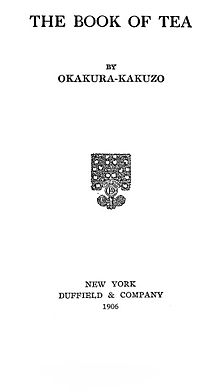
Kakuzo Okakura
The book of tea
Tea began as a medicine and grew into a beverage. In China, in the eighth century, it entered the realm of poetry as one of the polite amusements. The fifteenth century saw Japan ennoble it into a religion of aestheticism—Teaism. Teaism is a cult founded on the adoration of the beautiful among the sordid facts of everyday existence. It inculcates purity and harmony, the mystery of mutual charity, the romanticism of the social order. It is essentially a worship of the Imperfect, as it is a tender attempt to accomplish something possible in this impossible thing we know as life.
(…)
The long isolation of Japan from the rest of the world, so conducive to introspection, has been highly favourable to the development of Teaism. Our home and habits, costume and cuisine, porcelain, lacquer, painting—our very literature—all have been subject to its influence. No student of Japanese culture could ever ignore its presence. It has permeated the elegance of noble boudoirs, and entered the abode of the humble. Our peasants have learned to arrange flowers, our meanest labourer to offer his salutation to the rocks and waters. In our common parlance we speak of the man “with no tea” in him, when he is insusceptible to the serio-comic interests of the personal drama. Again we stigmatise the untamed aesthete who, regardless of the mundane tragedy, runs riot in the springtide of emancipated emotions, as one “with too much tea” in him.
(…)
Those who cannot feel the littleness of great things in themselves are apt to overlook the greatness of little things in others. The average Westerner, in his sleek complacency, will see in the tea ceremony but another instance of the thousand and one oddities which constitute the quaintness and childishness of the East to him. He was wont to regard Japan as barbarous while she indulged in the gentle arts of peace: he calls her civilised since she began to commit wholesale slaughter on Manchurian battlefields. Much comment has been given lately to the Code of the Samurai,—the Art of Death which makes our soldiers exult in self-sacrifice; but scarcely any attention has been drawn to Teaism, which represents so much of our Art of Life. Fain would we remain barbarians, if our claim to civilisation were to be based on the gruesome glory of war. Fain would we await the time when due respect shall be paid to our art and ideals.
( The Project Gutenberg : https://www.gutenberg.org/files/769/769-h/769-h.htm )
 LA BOHEME GALANTE ボエム・ギャラント