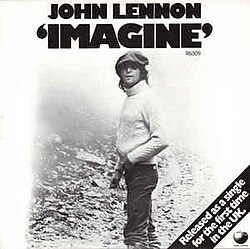
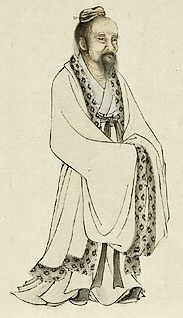
John Lennon & Zhuangzi : Imagine Nowhere

While reading the ancient Chinese thinker Zhuangzi, the lyrics of John Lennon’s Imagine suddenly came to mind. The first verse goes roughly like this: “Imagine there’s no heaven or hell, above us only sky. Imagine all the people living for today.”
This resonates with Zhuangzi’s idea of a world where all things are equal and no boundaries exist.

Noticing such a similarity—or even a kind of convergence—also brings to mind Nowhere Man, released by the Beatles in 1965. The song begins with the line “He’s a real Nowhere Man”, and continues with a series of negative expressions. Yet this negativity is not merely denial; it can be interpreted as an attitude that tries to erase the divisions and distinctions created by a fixed point of view. Here too, one can sense a spirit that corresponds to Zhuangzi’s theory of the Equalization of Things.

Whether John Lennon actually read the Zhuangzi is unknown. However, it is said that he took an interest in Zen thought introduced by figures such as D. T. Suzuki, read spiritual texts such as The Tibetan Book of the Dead, and had been an avid reader of Lewis Carroll’s Alice’s Adventures in Wonderland and Through the Looking-Glass since his youth.
Considering this background, it is reasonable to assume that he was drawn to something different from the Western mode of thinking that attempts to understand the world by dividing things into opposing categories—good and evil, left and right, front and back, above and below, beauty and ugliness.

続きを読む

ジョン・レノンと荘子 Imagine Nowhere

古代中国の思想家・荘子を読んでいて、ふとジョン・レノンの「イマジン(Imagine)」の歌詞が頭に浮かんだ。
「天国も地獄もなく、頭の上には空があるだけ。そして、みんなが今日だけを生きる。そんな世界を想像してみよう。」という一番の歌詞はおおよそそんな内容だが、それは荘子が説く「万物が斉(ひと)しく、境目のない世界観」と響き合っている。

こうした類似、あるいは一致に気づくと、ビートルズが1965年に発表した「Nowhere Man」も思い出される。(「ひとりぼっちのあいつ」という日本語題が付けられているが、内容を的確に表していないため、ここではその題名は用いないことにする。)
「彼は本当にNowhere Man(どこにもない場所の男)だ。」という一節から始まり、否定形の表現が続いていく。しかしそれは単なる否定ではなく、一つの固定した視点がつくり出す区切りや差異を消し去ろうとする態度だとも解釈できる。ここにも荘子の「斉物(さいぶつ)論」と通じる精神が感じられる。

そんなことを意識しつつ、まず Imagine と Nowhere Man を聴いてみよう。

続きを読む

小泉八雲の語る荘子「胡蝶の夢」  Lafcadio Hearn speaks of Zhuangzi’s ‘Butterfly Dream’

小泉八雲(Lafcadio Hearn:1850-1904)は、日本文化に触れた際の印象を記した『知られぬ日本の面影』(Glimpses of Unfamiliar Japan)、そして日本各地に伝わる伝説や怪異譚を独自の語り口で紹介した『怪談』(Kwaidan)などの著作によって、明治期の日本文化を海外に広く紹介するうえで大きな役割を果たした。

彼は1850年、当時イギリスの保護領であったギリシアのレフカダ島に生まれた。父はアイルランド生まれのイギリス軍の軍医、母はペロポネソス半島南端に位置するキティラ島出身のギリシア人であった。
一家は1852年に父の故郷であるアイルランドに移り住むが、父が別の女性と生活を始めたことなどから、母はギリシアへ帰国し、ハーンは大伯母に育てられることになる。
その後、1869年に単身でアメリカ合衆国へ渡り、ジャーナリストや作家としての活動を開始した。

1890年に来日したラフカディオ・ハーンは、島根県で出会った小泉セツと結婚し、1896年には日本国籍を取得した。彼が日本を深く愛していたことは疑いようがない。
それでは彼は、どのようにして日本文化を理解しようとしたのか。この問いはきわめて興味深い問題である。

ここでは、その答えの一端を『怪談』の末尾に置かれた、昆虫に関する随筆「蝶」に求めたい。そこには、荘子の寓話「胡蝶の夢」への言及が見られる。ハーンは、荘子と蝶との関係について、次のように述べている。

Again, I should like to know more about the experience of that Chinese scholar, celebrated in Japan under the name of Sōshū, who dreamed that he was a butterfly, and had all the sensations of a butterfly in that dream. For his spirit had really been wandering about in the shape of a butterfly; and, when he awoke, the memories and the feelings of butterfly existence remained so vivid in his mind that he could not act like a human being.

私がさらに知りたいと思うのは、日本で荘周(そうしゅう)の名で知られるあの中国の学者の経験だ。彼は自分が蝶である夢を見、その夢の中で蝶としてのあらゆる感覚を味わった。というのも、彼の精神は実際に蝶の姿をとってさまよっていたからだ。そして、目覚めたときにも、蝶として存在していたときの記憶や感情があまりにも鮮明に心に残っていたため、人間として振る舞うことができなかったのである。

(Lafcadio Hearn, Kwaidan: Stories and Studies of Strange Things, “Butterflies,” 1904)

続きを読む

自分の無知を知る  — 「日本国」の成立 台湾(中華民国)について

フランス文学を知ることに人生の大半を捧げてきたせいで、自分の国である日本のことを、実はほとんど知らずに生きてきた。数年前になってようやく、日本について少しずつ学び始めたのだが、学んでも学んでも、自分の無知ばかりが浮かび上がってくる日々が続いている。

たとえば、『「日本」とは何か』の中で、網野善彦は「現代日本人のほとんどが、自分たちの国の名前が、いつ、どのような意味で定まったのかを知らない」と嘆いている。私自身、日本という国家がいつ成立したのか、また、なぜ「日本」と呼ばれるようになったのか、これまで一度も考えたことがなかった。それどころか、知らないという事実に気づくことすらなかった。

一つの無知を自覚すると、これまで当然のこととして受け流してきた様々な事柄についても、実は曖昧で心もとない理解しか持っていなかったのだと分かってくる。知っているつもりでいたことが、手に取れば崩れてしまうほど頼りない認識にすぎなかったのだ。

(1)「日本」について

続きを読む

Zhuangzi Chaos (渾沌) et Art de vivre selon la Nature

Zhuangzi encourage à suivre la Nature sans agir de manière volontaire, c’est-à-dire à cultiver la spontanéité naturelle, afin d’atteindre le « non-agir » et l’errance insouciante ; ainsi peut-on demeurer sur « la Voie », qui est le Tao, ce processus par lequel tout naît, se métamorphose et s’efface dans l’ordre naturel du monde. Il met également en avant des pratiques de maîtrise de soi et de l’énergie intérieure, fondées sur la quiétude et l’absence de pensée.

Le conte de Hundun (渾沌), qui clôt les « chapitres intérieurs » du Zhuangzi, l’un des grands textes du taoïsme, peut être lu comme un récit condensant et éclairant l’essentiel de la pensée de notre auteur.

L’empereur de la mer du Sud s’appelait Shu (儵), celui de la mer du Nord s’appelait Hu (忽), et l’empereur du Centre était Hundun (渾沌). Shu et Hu se rencontraient parfois sur la terre de Hundun, qui les accueillait très généreusement. Shu et Hu, voulant remercier Hundun de sa bonté, dirent : « Tous les hommes ont sept orifices pour voir, entendre, manger et respirer, mais lui n’en a aucun. Essayons d’en percer. » Ils percèrent un orifice par jour, et au septième jour, Hundun mourut.

南海之帝為儵,北海之帝為忽,中央之帝為渾沌。儵與忽時相與遇於渾沌之地,渾沌待之甚善。儵與忽謀報渾沌之德,曰:「人皆有七竅 以視聽食息,此獨无有,嘗試鑿之。」日鑿一竅,七日而渾沌死。

続きを読む

Zhuangzi Le rêve du papillon et la transformation des êtres(物化)

Zhuangzi (env. 369 av. J.-C. – 286 av. J.-C.) était penseur, philosophe et écrivain du milieu de la période des Royaumes combattants. Il est l’une des figures représentatives du courant taoïste, héritier et développeur de la pensée de Lao Tseu.

Dans le chapitre intitulé « Le traité de l’égalité de toutes les existences », il propose de ne pas découper le monde selon des distinctions artificielles ni des jugements de valeur purement humains, et de saisir intuitivement l’égalité fondamentale qui appartient originellement à toutes choses. Tout est, dans son fondement, la manifestation d’une même dynamique de la Voie (le Tao 道).

Pour pénétrer cette idée, apparemment si moderne malgré son ancienneté, Zhuangzi a préparé une introduction ouverte à tous, sous la forme d’un conte accessible : le célèbre conte connu sous le nom de « Rêve du papillon ».

Autrefois, Zhuangzi rêva qu’il était devenu papillon. Il était un papillon voletant légèrement, et il s’en réjouissait au gré de son cœur. Il ne savait plus qu’il était Zhuangzi. Soudain réveillé, il se retrouva bel et bien Zhuangzi. Mais il ne savait pas si c’était Zhuangzi qui avait rêvé qu’il était un papillon, ou si c’était un papillon qui rêvait qu’il était Zhuangzi. Entre Zhuangzi et le papillon, il doit bien y avoir une distinction. C’est cela que l’on appelle la « transformation des êtres » (物化).

昔者莊周夢為胡蝶,栩栩然胡蝶也。自喻適志與!不知周也。俄然覺,則蘧蘧然周也。不知周之夢為胡蝶與,胡蝶之夢為周與?周與胡蝶,則必有分矣。此之謂物化。

続きを読む

富士山を通して見る日本人の心情 3/3 空に消えてゆくへも知らぬわが思い

奈良時代から鎌倉時代前期にかけて、人々が富士山に託した思いは、「神さびて高く尊き」信仰の対象から、「恋の炎」に象徴される情念の山が加わり、さらに「空し」といった無常観を帯びることもあった。

ここで注意したいのは、富士山の象徴がいつの時代にも多層的であり、いずれか一つの側面が他を排除することはなかったという点である。神聖、燃える恋、儚い恋、そして無常、それらが共存していたことこそ、きわめて日本的な現象であるといえる。

続きを読む

富士山を通して見る日本人の心情 2/3 燃える富士から富士の煙へ

山部赤人のように、富士山に「神さびて高く貴き」感情を投げかける流れが成立した一方で、より人間的な感情を託す流れも生まれていった。

人間的な感情の代表は、まず第一に「恋」であり、その場合、富士山の噴火から連想される「燃える」という言葉によって表されることが多い。
もう一つの代表的な感情は「無常観」であり、噴火の後の「煙」は、恋だけではなく、無常を象徴することもあった。

続きを読む

オー・シャンゼリゼ Les Champs-Élysées

「オー・シャンゼリゼ」は、日本で最もよく知られたシャンソンの一つだが、この「オー」の意味は今でも時々誤って理解されることがある。シャンゼリゼにやって来て、「オー!」と感嘆の声を上げた、というふうに思われているらしい。
しかし、歌詞を見ると、リフレインの部分には « Aux Champs-Élysées » とあり、「オ」は「シャンゼリゼで」という場所を示す前置詞であることがわかる。

歌詞の内容はとてもロマンチックだ。シャンゼリゼをひとり寂しく歩いていた「私」が、偶然出会った「君(あなた)」に恋をする。昨日の夜は赤の他人だったのに、今朝は恋人。朝が明けると同時に、鳥たちが二人の愛を歌ってくれる。その出会いは、偶然ではなく、運命だったのだ。

道で声をかけたとき、「何でもいいから」とにかく話しかけたのは、« pour t’apprivoiser »、つまり、君(あなた)と「絆を結びたかった」からだという。
この « apprivoiser » という動詞は、『星の王子さま』で、キツネが王子さまに「絆を結ぶ」ことの大切さを教える場面でも使われている言葉だ。

そんなことを頭に置きながら、ジョー・ダッサン(Joe Dassin)の歌 « Les Champs-Élysées » を聴いてみよう。ちなみに原題には前置詞は入っていない。

続きを読む